
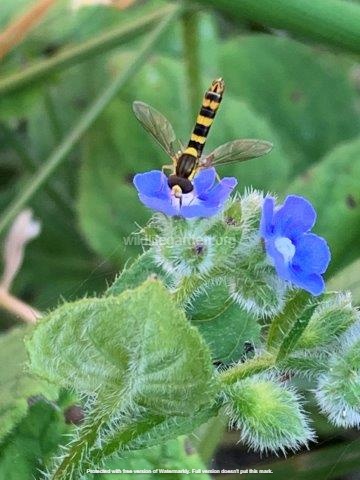
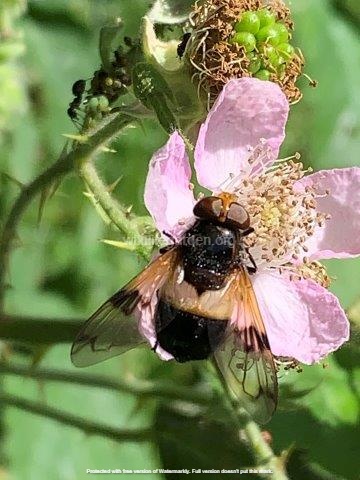
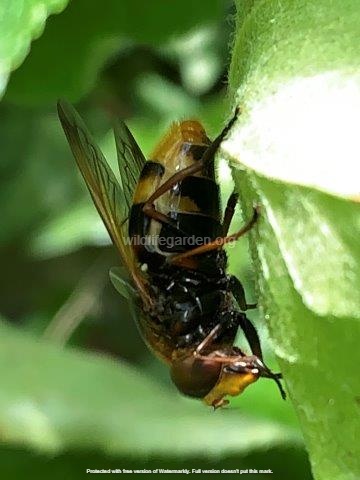
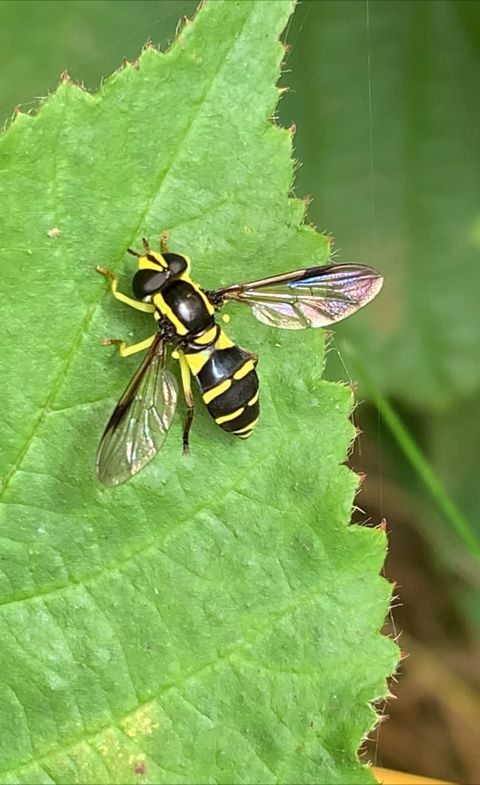
There are around 7000 species of Diptera (True Flies) in Great Britain and we know their diversity in the Garden is massively under recorded. Identifying many of the species is difficult, as is obtaining a clear photograph. Hoverflies are perhaps the most comprehensively recorded family (Syrphidae) in the Garden, perhaps for the very reason they are relatively easy to photograph and many species can be identified from an image.
The name Diptera, reflects their only having one pair of wings. Most insects have two pairs at some stage in their life cycle. However for Dipterans the hind pair have evolved into club like structures called ‘halteres’, which may have several functions but the primary one is involved with flight rotation. Flies are excellent flyers.
The Classification / Grouping of species below is taken from the Dipterists Forum Website. Any errors will inevitably be at our end.
LOWER DIPTERA – NEMATOCERA
Tipulomorpha (infraorder) – Craneflies & Allies
Currently our Garden records contain two Families within the infraorder Tipulomorpha.
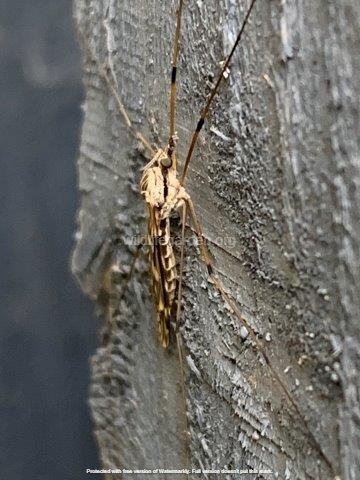
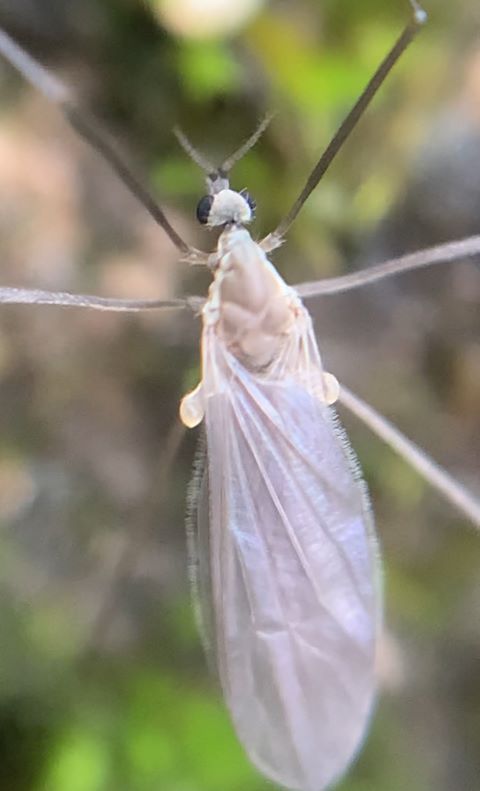
Family Tipulidae. These are the species most people think about when they hear the word Cranefly or Daddy Long Legs. A key anatomical feature of the Tipulidae are that the 4th segment of the maxillary palp is longer than the other 3 segments combined, see image on right below. The 4th segment is the long section that hangs back underneath. Compare this to the image on the left, which is of the second family we have recorded in the Garden, the Family Limoniidae, who’s 4th segment comparatively short.
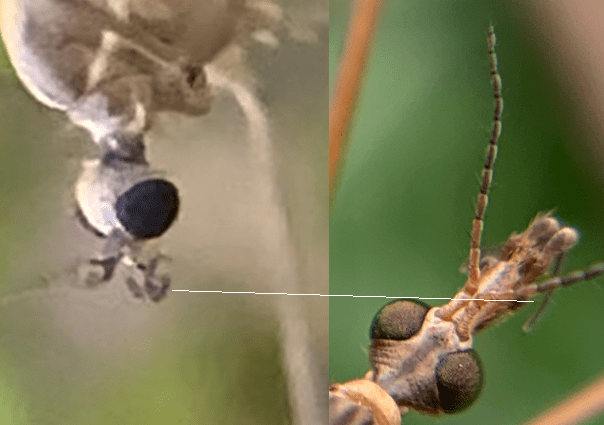
Other features of note are;
Tipulidae antenna have 13 segments. Rather than 14 or 16 found in the other Cranefly families.
Limoniidae wings when at rest are typically held neatly covering the abdomen, where as for Tipulidae the usual resting posture is with the wings held at a slight angle away from the abdomen as the images below suggest. However clearly this is not always true, note the Tipulidae species Nephrotoma appendiculata, that also rests with wings covering its abdomen.
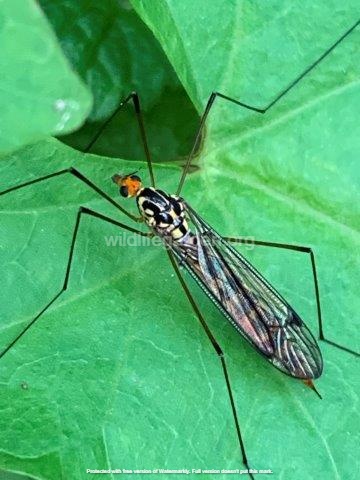
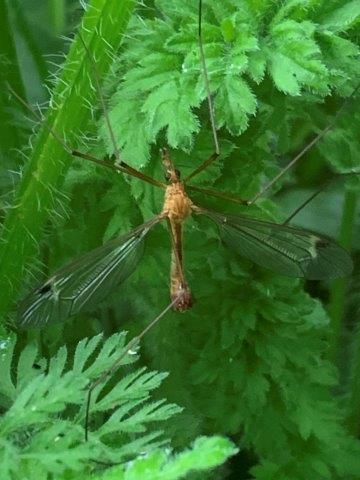

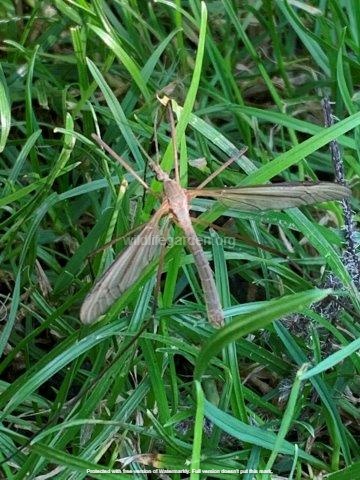
Psychodomorpha (infraorder)
This infraorder contains 5 families on the British List, of which we currently only have a single representative, the Psychodidae. Which in these parts are known as Drain flies or Moth flies. The larva feed on bacteria in wet habitats, including drains. We often see them in or around our moth trap, typically running around when disturbed. That said we see them regularly during the day on vegetation throughout the Garden.

Culicomorpha (infraorder) – Mosquitoes and allies
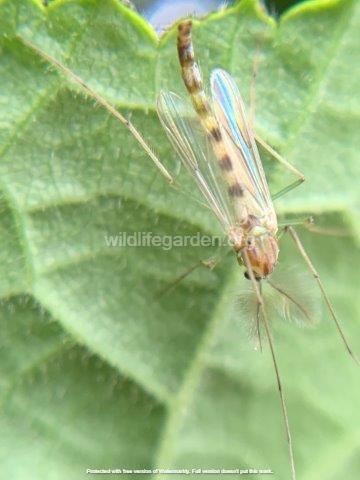
There are seven families associated with this infraorder, and to date we have just the one record belonging to the family Chironomidae. Members of this family are known as the non-biting midges. The larva are typically aquatic and can be found in just about any puddle or pool you come across.
HIGHER DIPTERA – BRACHYCERA
Tabanomorpha (infraorder) – Horse Flies and Snipe Flies
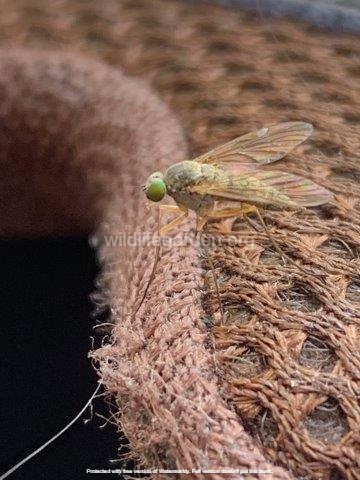
A infraorder that consists of species mainly linked to two Families, the Horse Flies (Tabanidae) and the Snipe Flies (Rhagionidae). We have spotted horse flies in the Garden before, but oddly not since 2021 when we began recording species for this website. As such the only representative of this infraorder so far recorded belongs to the family Rhagionidae.
Stratiomyomorpha (infraorder)
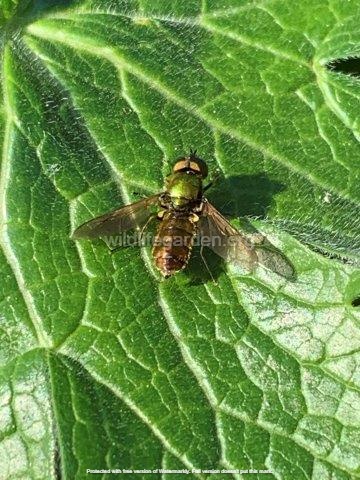
Asilpmorpha (infraorder) – Non-muscoid Brachycera
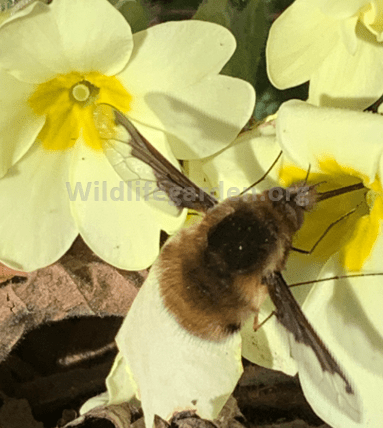
Eremoneura – Empidoidea
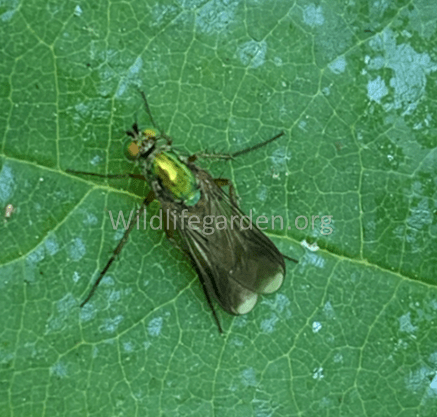
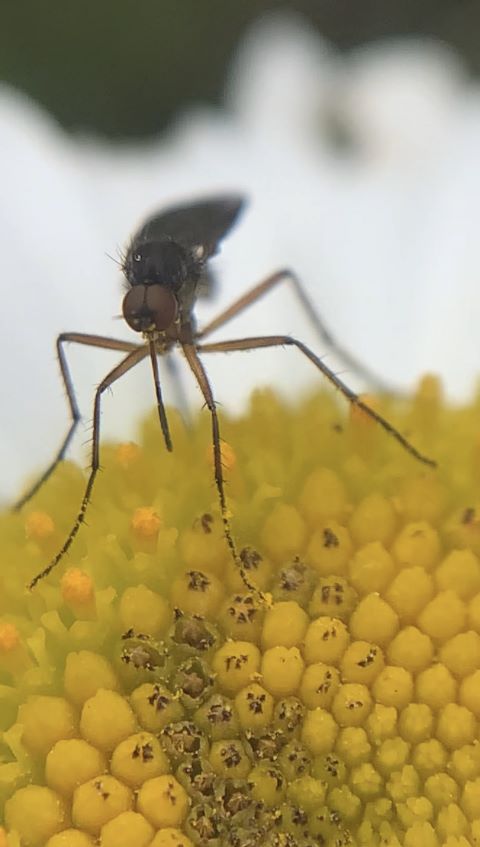
Eremoneura- Lower Cyclorrhapha (infraorder)
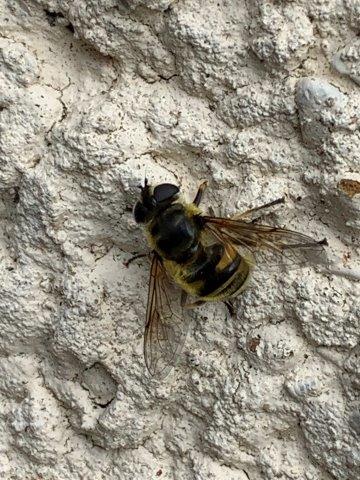
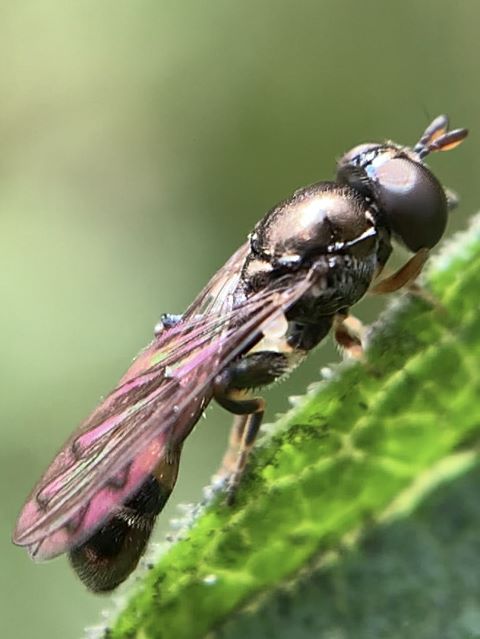
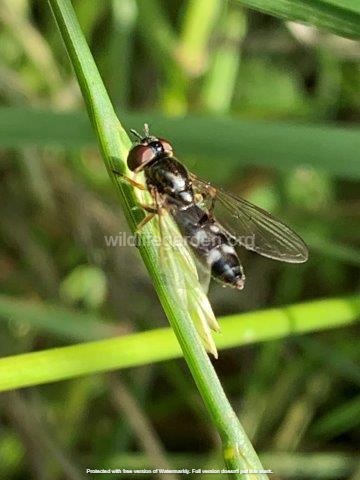
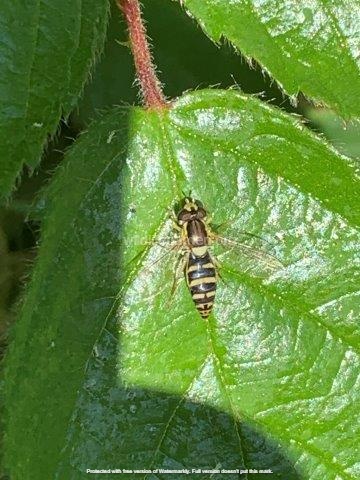
Hoverflies (Syrphidae)
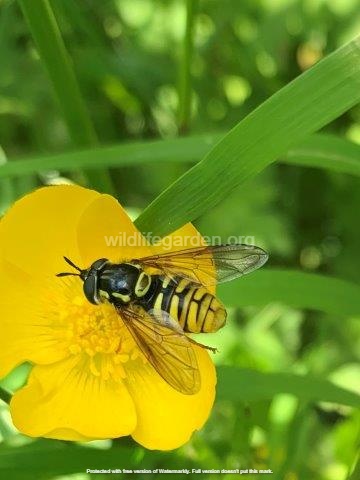

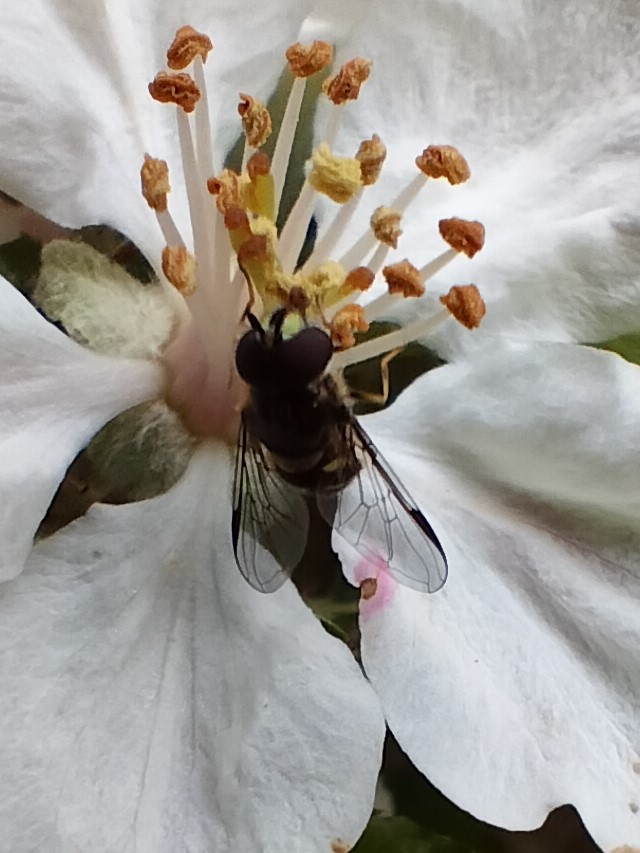
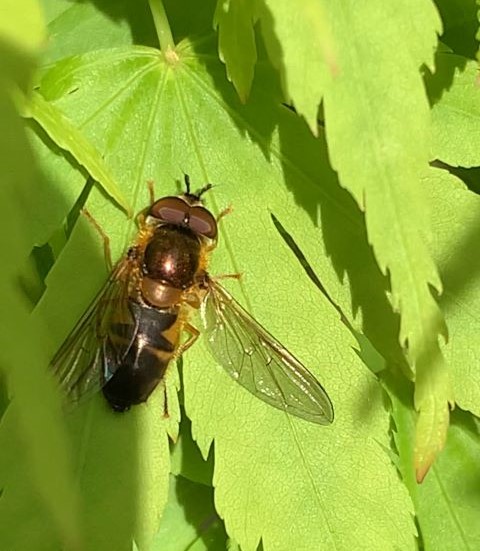

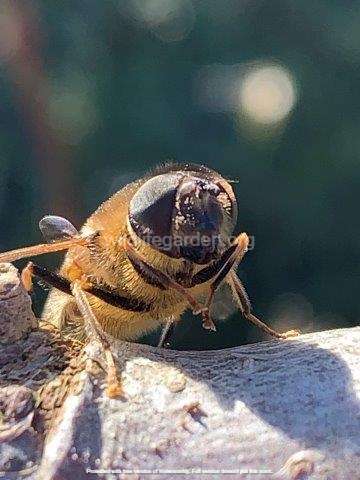
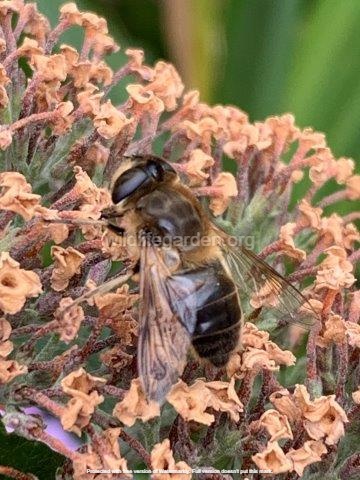
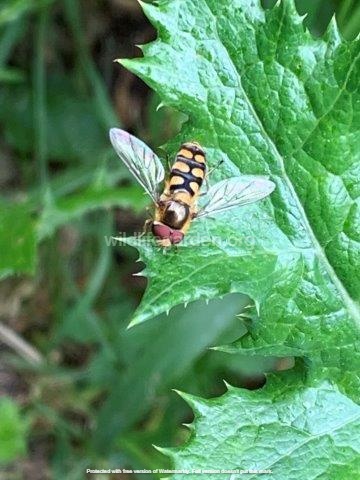
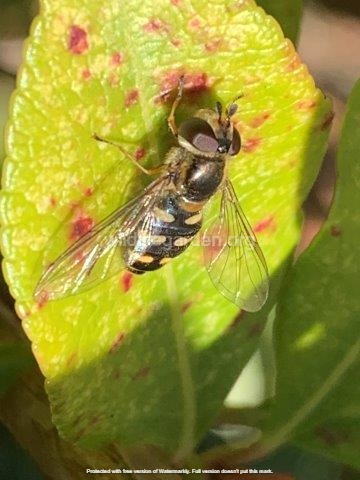
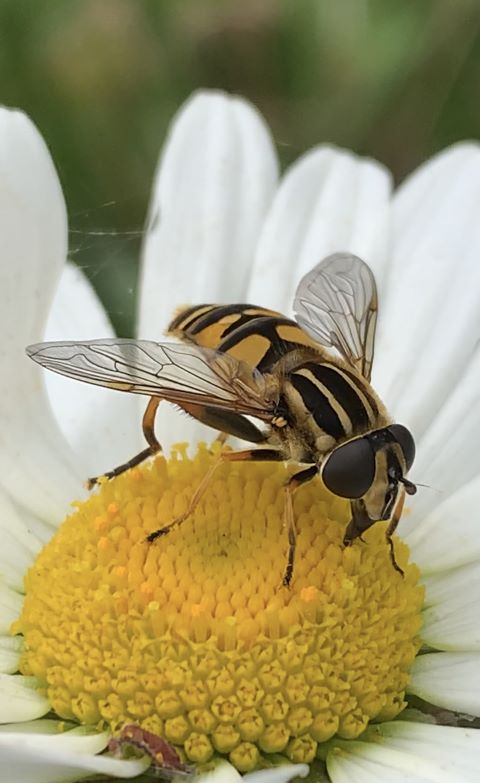
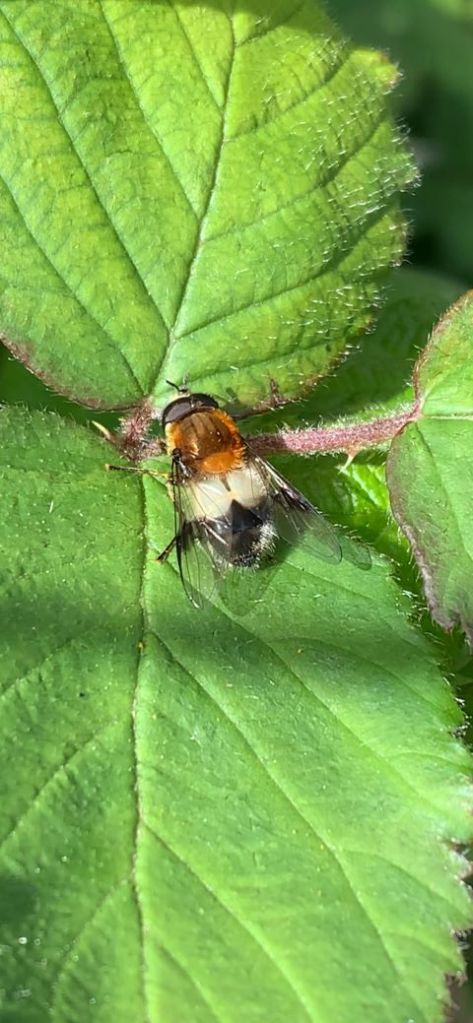
Leucozona lucorum – Family: Syriphidae.
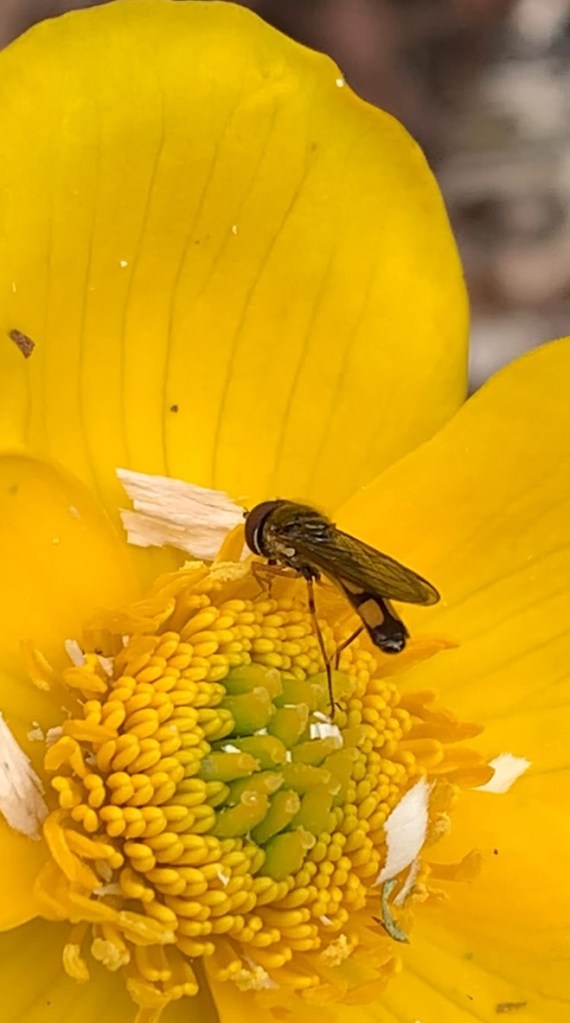
Melanostoma scalare – Chequered Hoverfly – Family: Syriphidae.
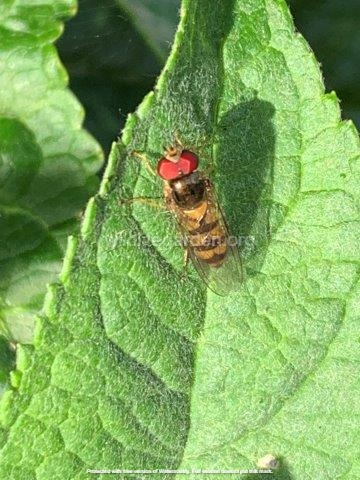
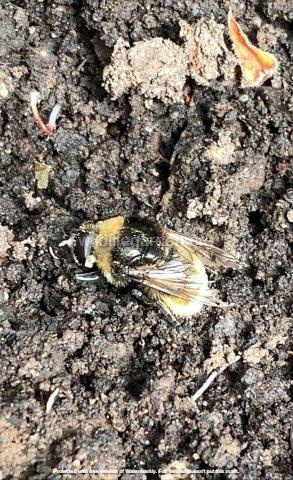



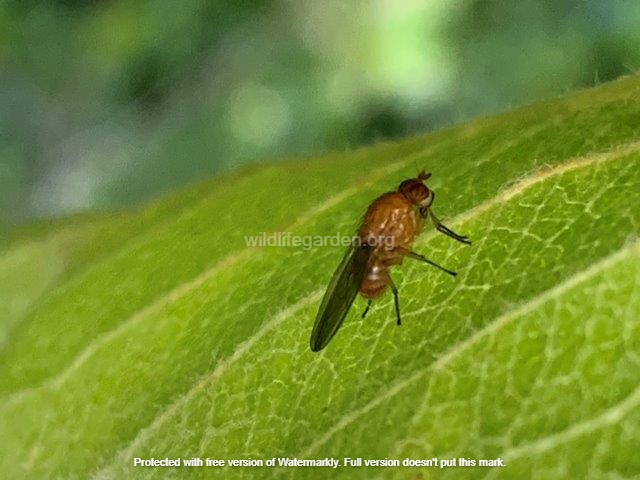
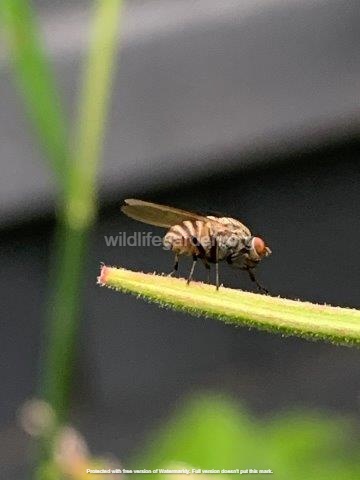
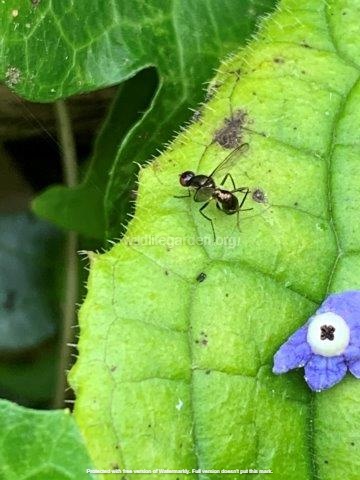
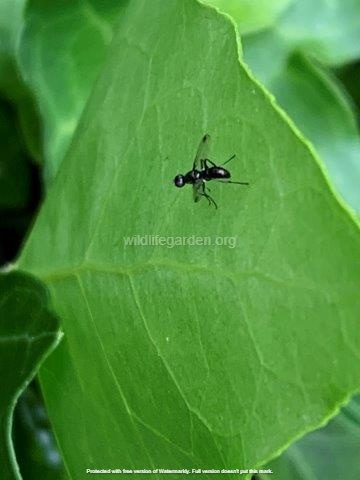
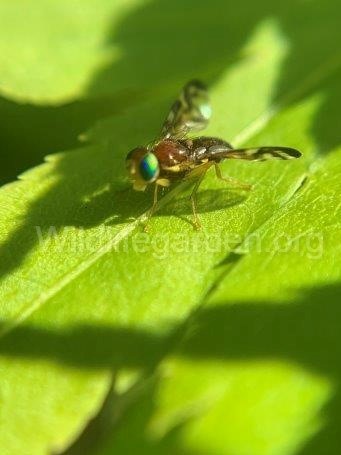
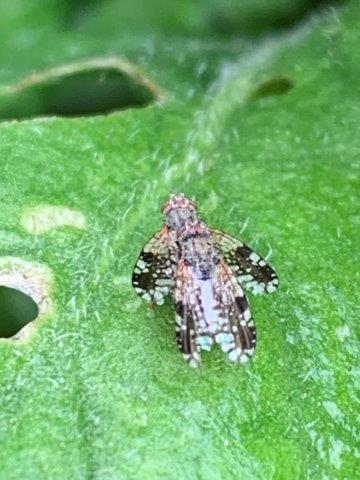
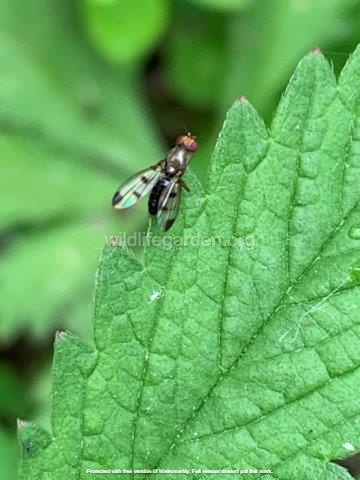
Schizophora-Acalyptratae (infraorder) – Muscoids
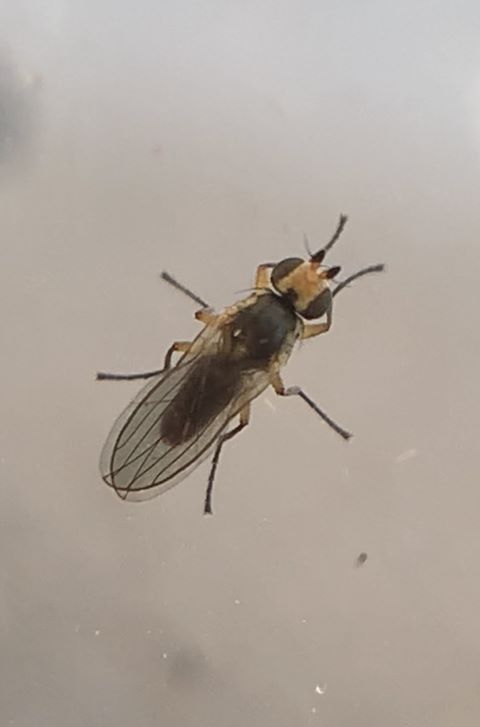
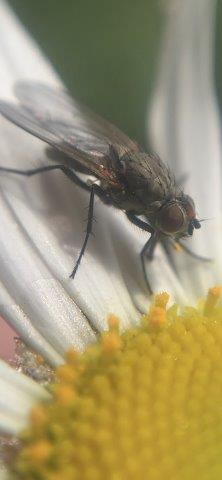
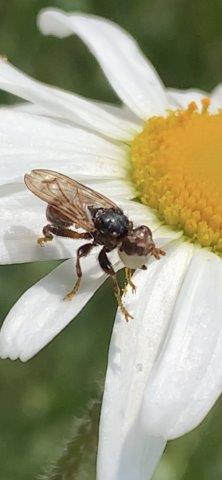
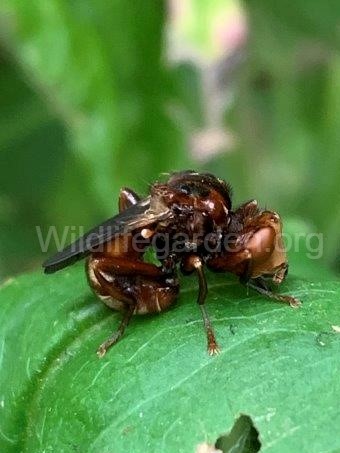

Schizophora – Calyptratae
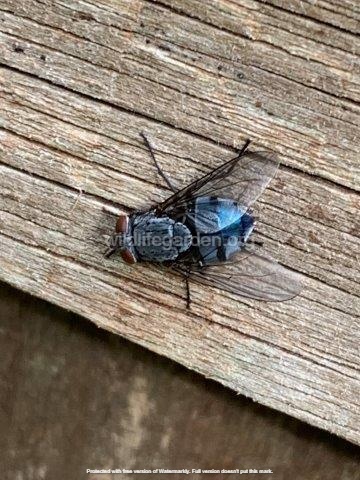
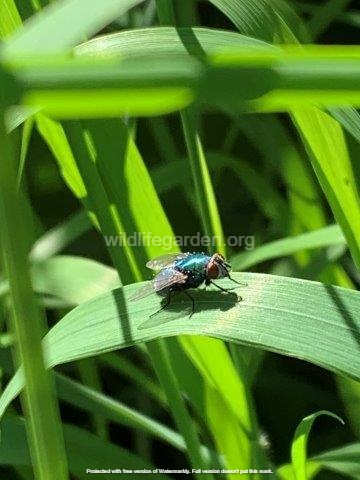
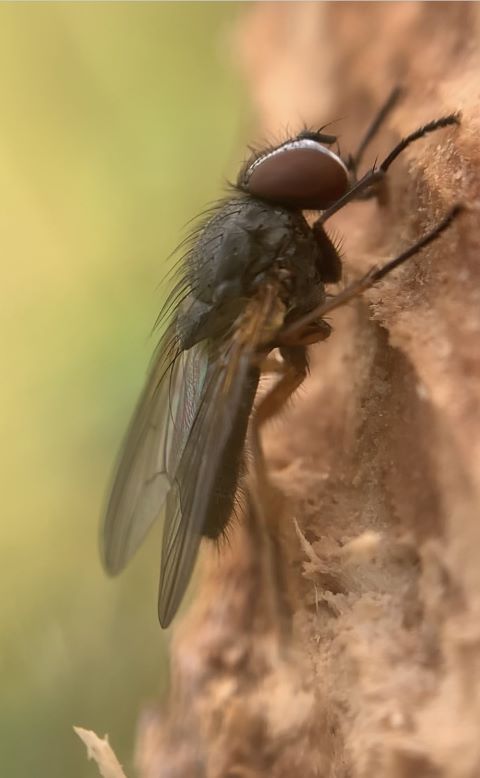
– Family: Fanniidae
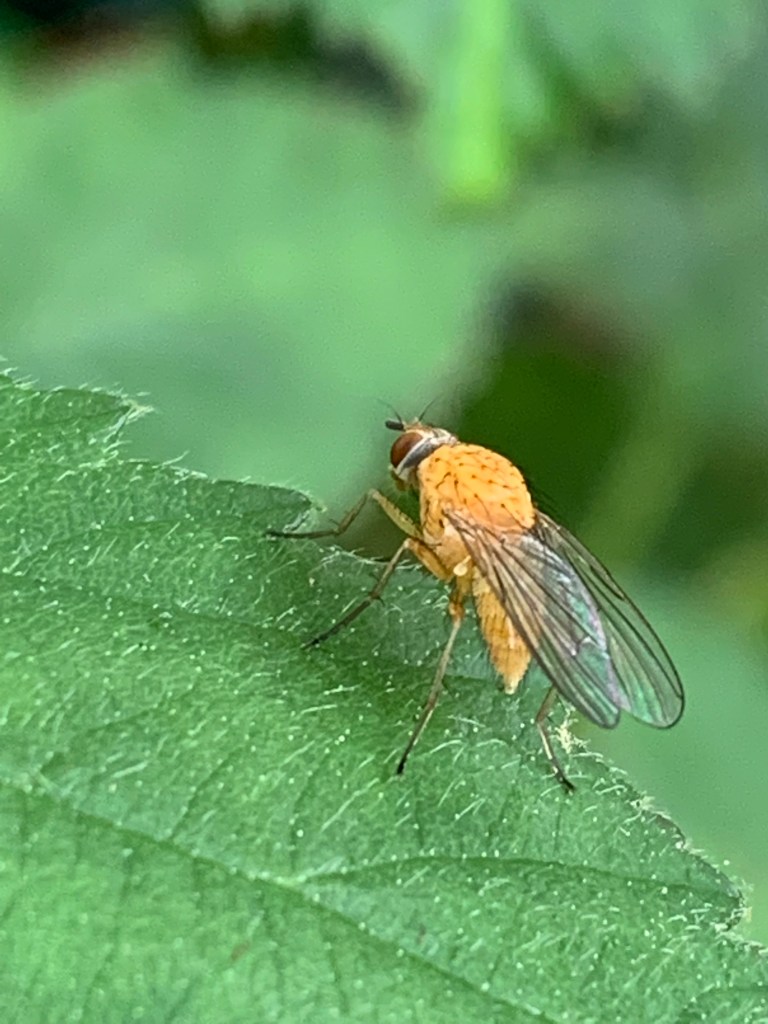
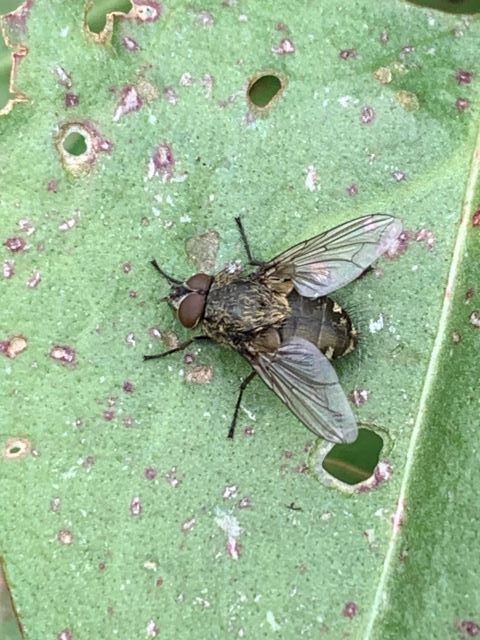
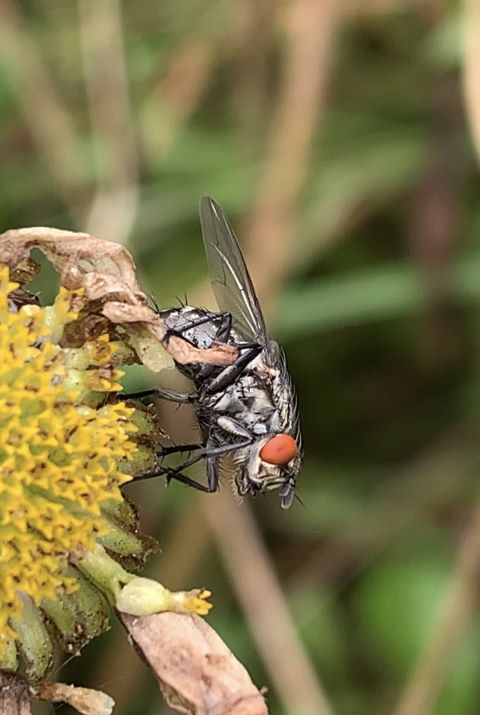
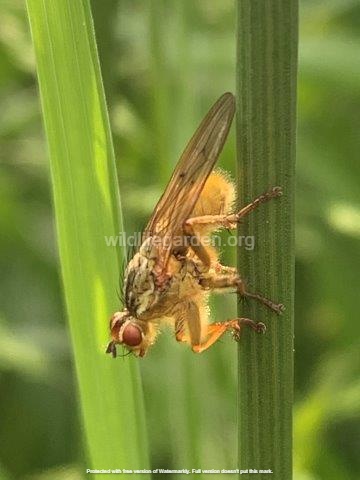
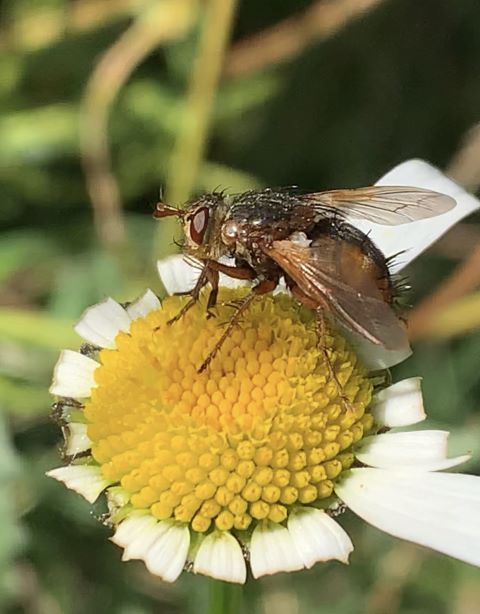
You may notice some flies, like our visitor below, seem to partake in what is know as Bubbling Behaviour. This behaviour turns out to be a way for the insect to reduce it’s body temperature when needing to cool down.
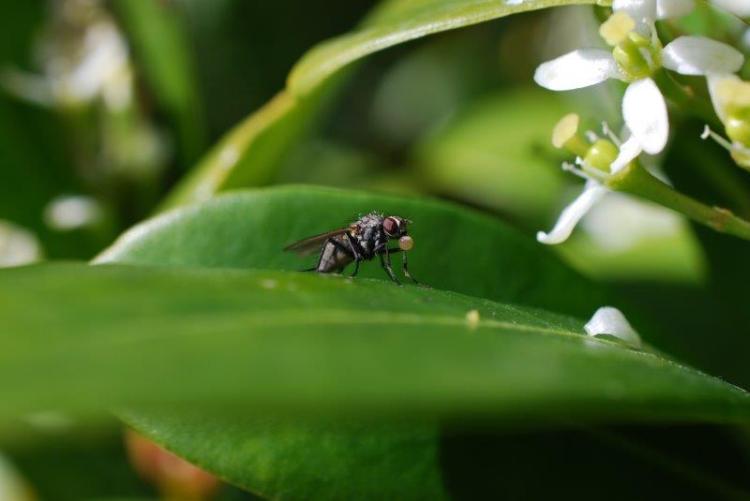
Bubbling Behaviour 7th April 2023
All diptera (true flies) undergo completed metamorphosis during their life cycle. This is when the eggs hatch to produce a larvae rather than a nymph. The difference being larvae, such as maggots, grubs and caterpillars do not resemble their parent flies, bees or butterflies respectively. Where as some insects such as dragonflies and crickets hatch directly into smaller, albeit less well developed versions of themselves, called nymphs. Both larvae and nymphs grow through a series of instars, where they shed their skin and grow in increments. For larva this results in a pupae at the final instar, when the maggot or grub transforms into a completely different looking adult insect, be that fly, bee or butterfly, i.e. complete metamorphosis. Below is a common example of a larva, that of a Crane Fly species, most likely a Tipula species.
Note: Nymphs grow through their instars becoming slightly more and more like the final adult version until at the final instar they become, through incomplete metamorphosis, the adult version of the animal. Click here to see an example of incomplete metamorphosis.

 Wildlife Garden