
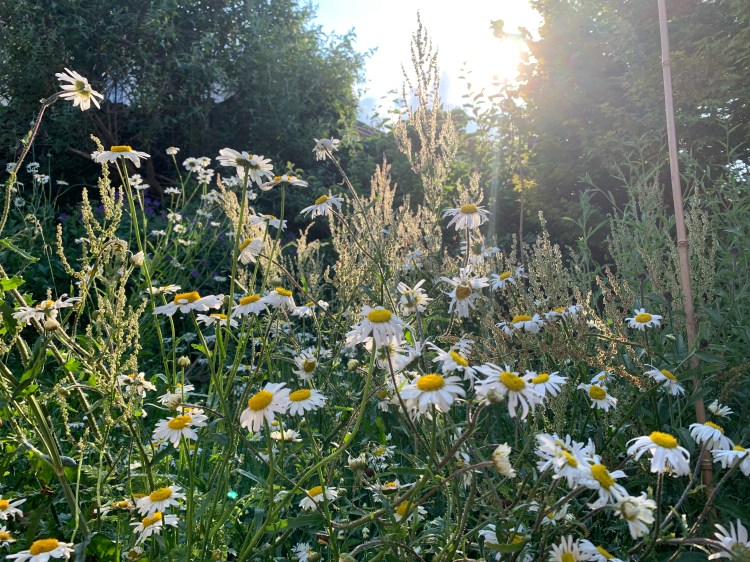
With a bit of common sense and perhaps some careful planning, any garden can attract and help support a wide range of wildlife, from microscopic life reflective of healthy soils and water, to large birds and mammals resting at the head of a complex food chain. Just how much wildlife a garden helps support is only clear once you start recording the species you find. On this page we first provide a definitive list of the species recorded (click below).

Or you can browse our galleries by selecting the decorated headings below, which include pictures and information on the many of species recorded. Species have been organized into the main kingdoms and phyla to which they belong.





The majority of species fall under the three kingdoms above (animals, plants and fungi). The exceptions so far are the Amoebozoa and Cyanobacteria, which in evolutionary terms are not considered part of these three kingdoms. If you would like to better understand how and why these species have been categorised in this way, please read our short article on Classification by clicking HERE.
WHY HAVE A LIST OR GALLERY?
If you are planning a project similar to ours then initially a simple list of species you observe is all you may need. However over time and with some trawling through field guides and the internet you are likely to begin recording less frequent or more obscure species and it is at this stage an image gallery will start to become an asset.
As more and more species are recorded throughout the year/s, it’s easy to forget their names and how you identified them, especially if you are attempting to record as many species as possible. Having your own visual record becomes invaluable in helping to record some of the less frequent visitors. Having a definitive list also helps ensure all your records are in one place.

TIP: Most species are likely to be found on Wikipedia, and here you can quickly find in the top right hand corner how each species is classified. Hence organising your species ‘scientifically’ is not especially difficult.

 Wildlife Garden