
Wasps, Bees, Sawflies & Ants: An intimidating Order of insects to approach are the Hymenoptera. Not because of any sting, but because of the sheer diversity of species out there. There are around 9000 species of wasp in Great Britain alone, although thankfully there are many fewer bee, ant or sawfly species. But the idea of a full future garden list seems at this stage well beyond our grasp and ability. However we strongly expect our list of Hymenoptera to continue to grow as we get better at recognising some of the more common and easy to identify species.
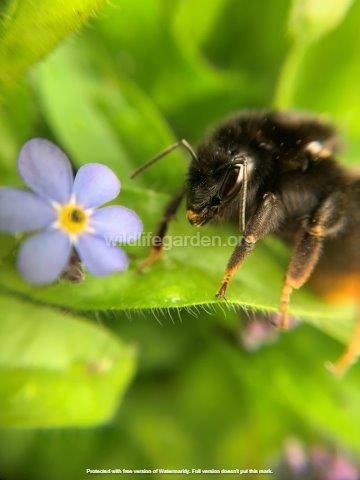
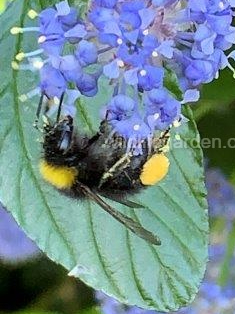
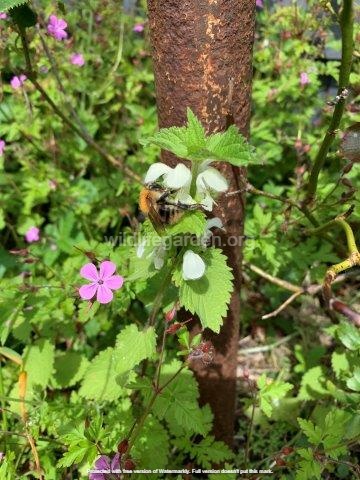
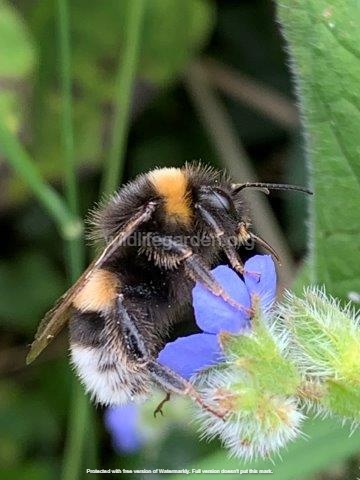
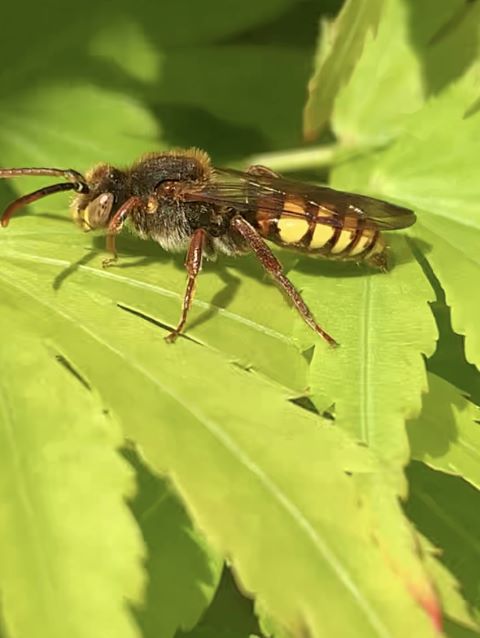
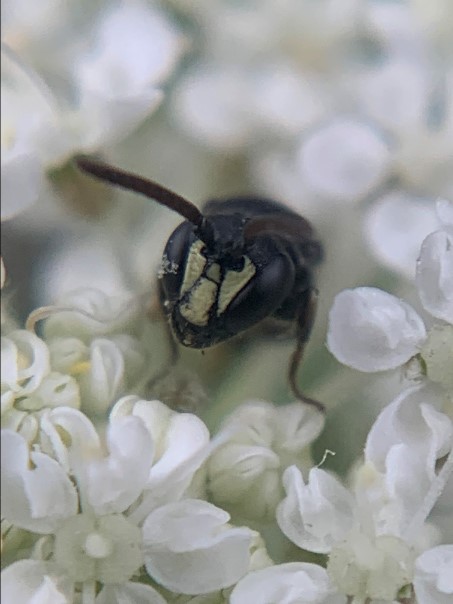
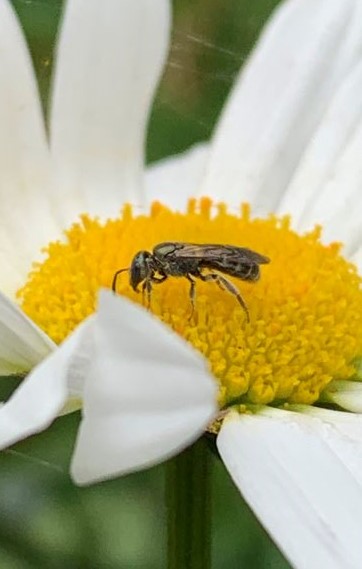
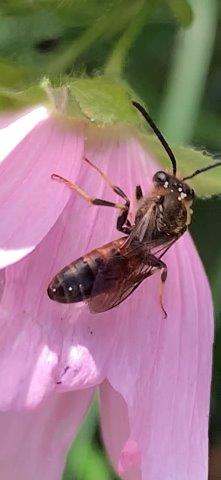
THE BEE’S


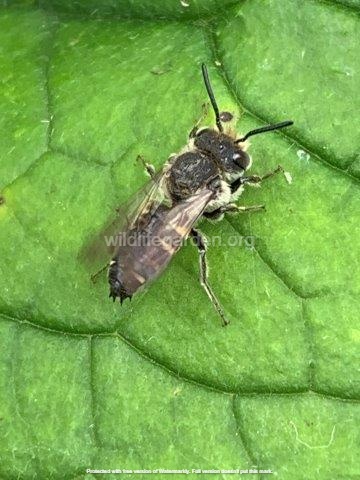
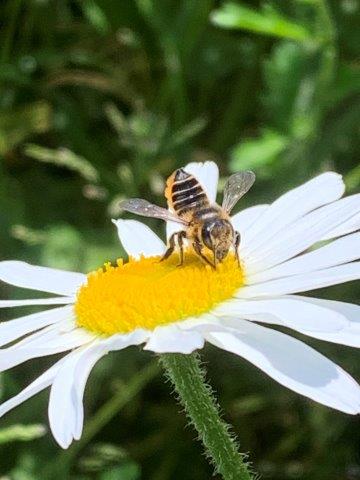

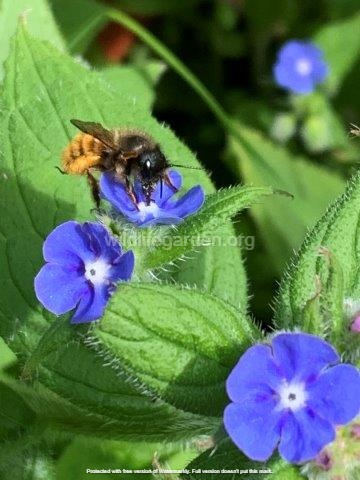
THE SAWFLIES

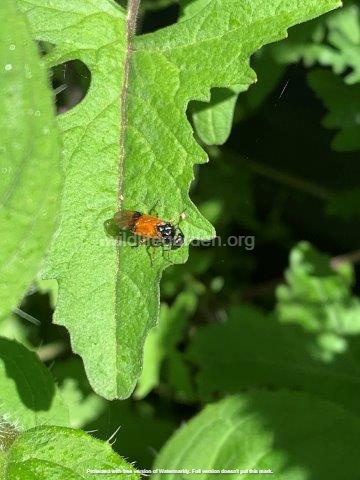
THE WASPS


THE ANTS
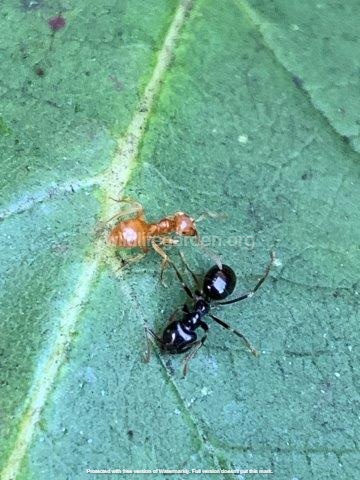
The Family Formicidae, better known as the Ants. A very successful family of insects, especially in the tropics. There are far fewer species in temperate Europe and fewer still in the UK.
All ants go through several developmental stages, starting of course with the egg, then the larvae, the pupa and finally the familiar adult. We mention this as those little white oblong/sausage shaped things most of us consider to be the ants eggs, are in fact the pupa. The eggs are usually tiny white spherical structures.
Ants come in three types. There are the queens of course, these can be extremely long lived (20-30 years in some species). Then there are the workers, always female. And finally the males, nearly all born from unfertilised eggs. The females do all the work and often divide the work between different castes, soldier, carer, guard etc). The males only real job is to mate with the queens. We mention this to quickly get around to that most famous of all ant activities, Flying Ant Day. In more formal circles this is known as the nuptial flight and this is when all the winged queens and males mate, usually at a particular time of year. They swarm on mass from different nests to ensure good genetic exchange between colonies.
Ants are simply one of the most interesting and common types of animal found in the garden, there are many good sources of information about them.

 Wildlife Garden