May was rather evenly split when it came to general weather conditions. A wet start to the month preceded a warm sunny period at the end, resulting in the inevitable flush of lush growth. This can bring both positive and negative impacts to wildlife. Whilst photosynthesis worked it’s wonders, many of our invertebrates were struggling with dehydration, whilst those that could like slugs and snails have all but disappeared beneath rocks, pots, soil and dense foliage. Some rain fell on the 31st May during the night and this should help keep things ticking over for a while. However the forecast for the next week is more dry and sunny weather.
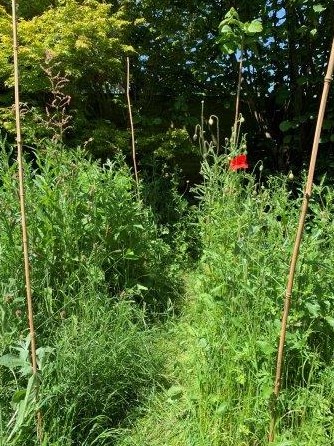
Aphids are the big story right at the moment, with many species of plant seeing serious infestations, including the new Knapweeds, Oxeye Daisies and worse of all the Hazel Tree, which looks almost overrun with the tiny suckers.
As noted in Decembers entry, 2022 saw an almost complete absence of ladybirds, both adults and larva. This year so far sightings have also been few and far between, and naturally we wonder if the infestation situation and this lack of predators is related.
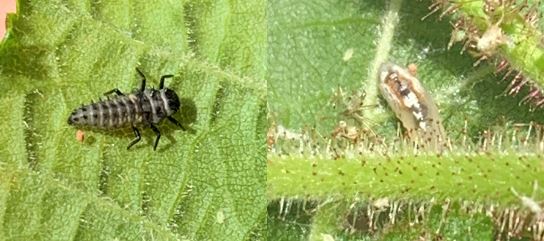
However we have been keeping an eye on things and nature seems to be reacting and we may be seeing signs that the cavalry are on their way. With several ladybird larvae (left below) and hoverfly larva (right below) starting to appear.
Away from these concerns, which could simply be the natural boom and bust of populations within the garden food-web, we have noted other species doing well this year. In terms of butterflies, after a relatively slow start the Holly Blue and Speckled Wood butterflies seem to have been doing well, as have the Azure Damselflies and earlier on in May the Rose Chafers were about in what must be record numbers.
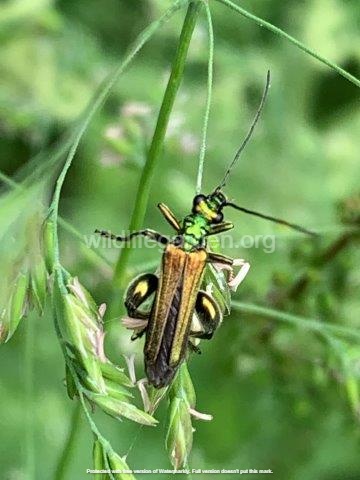
But the species that stood out this month (compared to previous years) has been the large numbers of Swollen-thigh Beetles that have been turning up on flower heads. Interestingly we found out that it is only the males who have the swollen thighs. Oddly however all the specimens we have observed are males, no sign of any females at all yet?
Moving on to our primary objective, recording new species. May saw several new species added to the list and we hit 550 with a very special visitor.
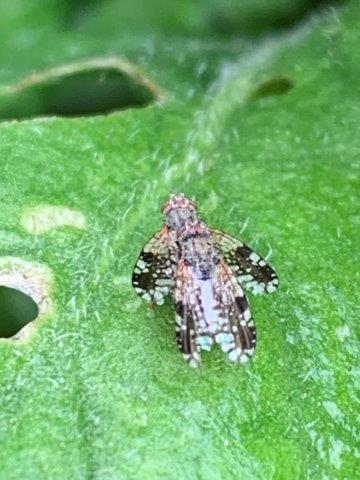
Tephritis spp. We have seen a good number of these flies around this Spring, and whilst we cannot be sure of the species we are relatively confident that they belong to the genus Tephritis. This mating pair were actually recorded in April, but we hadn’t gotten around to identifying them until recently.
Fabricius Nomad Bee. On the 1st May we were hanging out around the ornamental maple when we noticed a large numbers of a new bee species hovering around its tiny flowers.
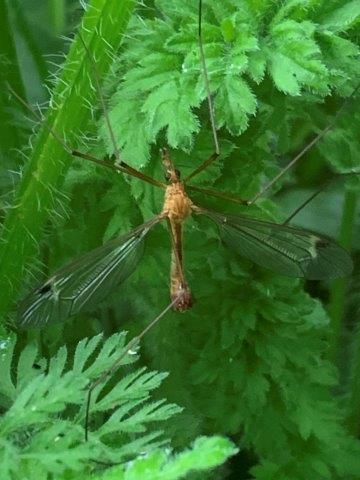
Tipula lunata. On the 10th May we recorded our fifth species of Crane Fly, which has probably been knocking about the garden all along but we mistook it for the similar and familiar Daddy Long Legs (Tipula paludosa).
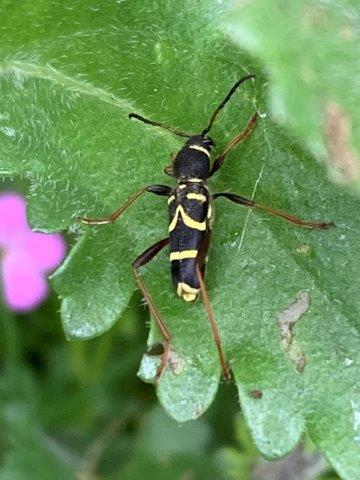
Clytus arietis – Wasp Beetle. We see these guys all the time when out and about in the area and knew one would turn up in the Garden eventually. Which it did on the 12th May and we have seen it several times since.
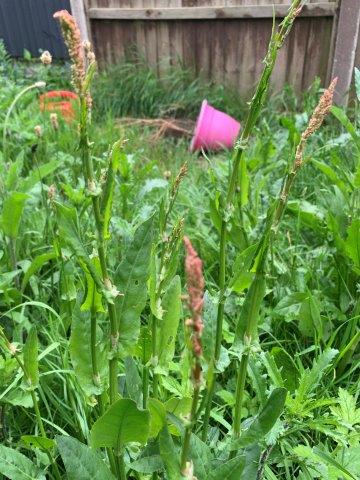
Rumex acetosa – Common Sorrel. The sorrel from the seed mix, Rumex acetosa, finally flowered on the 13th May and as such was added to the species list.
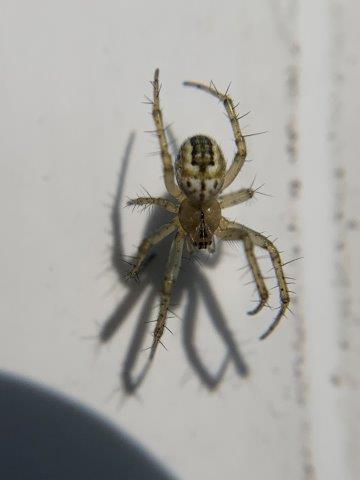
Mangora acalypha – The Cricket Bat Spider. We love these guys and it was great to be able to add one to our list. Amazing looking spider, you just have to take the time to admire it closely.
Xysticus spp. We cannot get this new arrival down to species level but we are reasonably sure the genus Xysticus is correct. Closely related to the Flower Crab Spider.
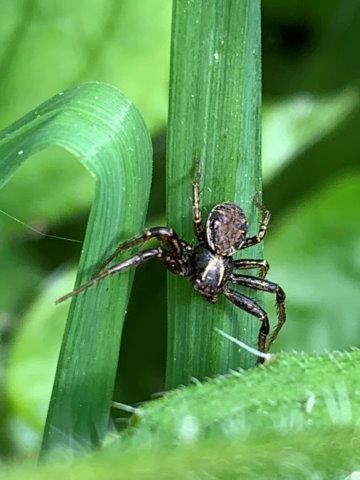
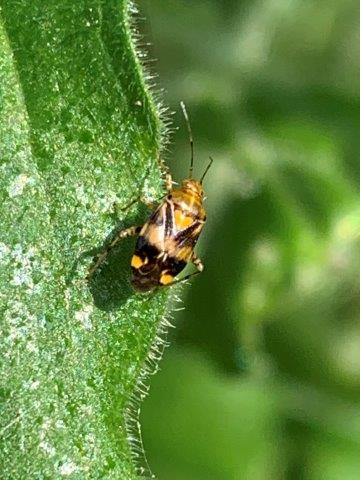
Liocoris tripustulatus – Common Nettle Bug. We’ve now seen these a few times since the first one we observed on the 18th May.
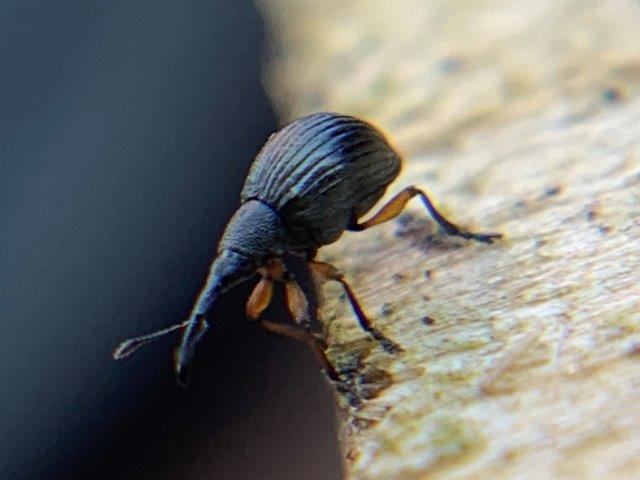
Protapion trifolii – Lesser Clover Seed Weevil. We’ve said it before, we love weevils and this odd looking fella recorded on the 20th May is no different.
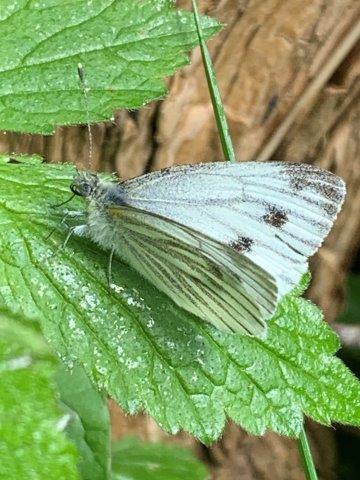
Pieris napi – Green-veined white. A new butterfly record is always worth shouting about. The fact this common species hasn’t been recorded before is more to do with our poor eyesight than anything else.
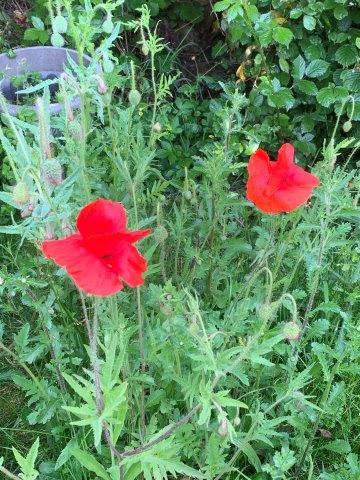
Papaver rhoeas – Corn Poppy. Another introduced wildflower, and what a flower, first bloomed on 23rd May.
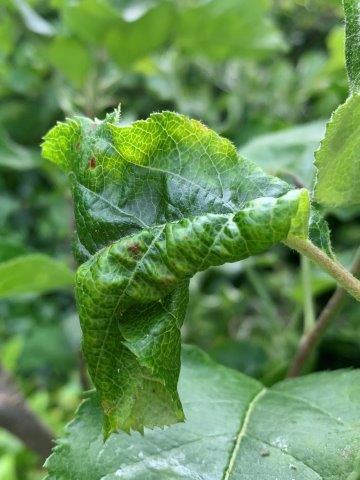
Dysaphis plantaginea – Rosy Apple Aphid. An interesting species of aphid, a leaf curling species we felt was worthy of a little write up HERE. Our 549th garden species, but seeing as our 500th species was a leaf roller also we were glad to have something else to mark this occasion with, and what a beauty we had….
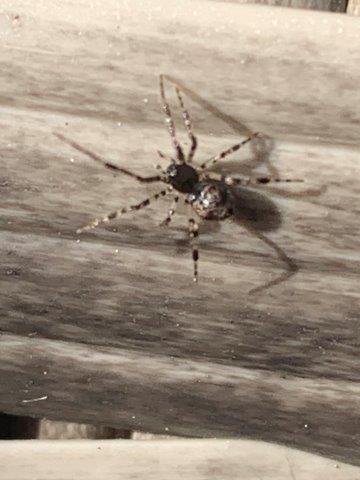
Cryptachaea blattea. Our 550th species and our first, so far as we know, species ever that is considered extremely rare. Also our 20th species of spider. Click HERE for more details.
The Garden is looking more wild than ever and we have noticed two nearby properties have also sown wildflower mixes, so overall things are moving in a positive direction.
DC: 02/06/2023
 Wildlife Garden