It was a warm month throughout June in Bristol. A few short showers from the middle of the month but otherwise very dry. The Garden became a bit of a jungle to say the least. It’s been amazing to see the array of wild flowers in bloom this month. One bonus of having a meadow area is retention of moisture in the upper layers of the soil. We havent had to water the garden once, although we did spray the foliage for a few minutes on one occasion as we noted many of the inverts were looking very dehydrated. This is something that can be noticed particularly well in arachnids as their abdomens wrinkle up.
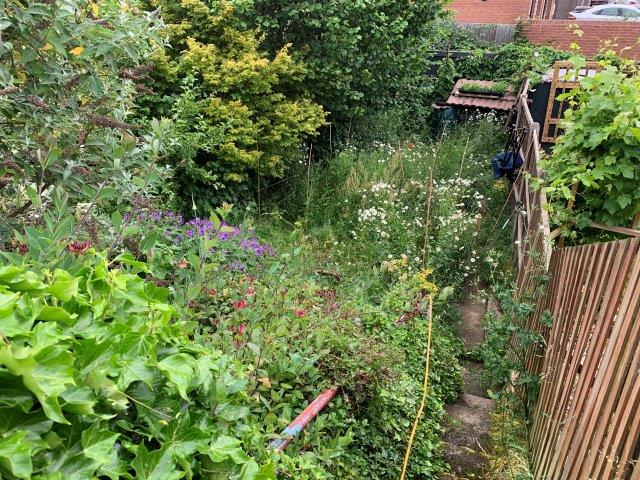
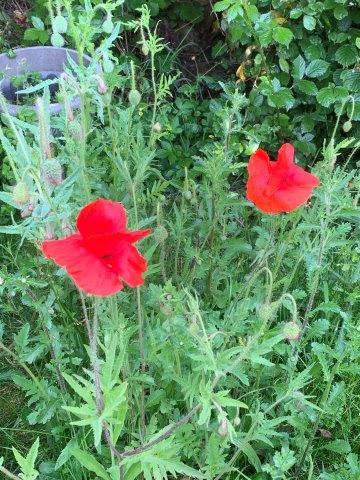
Oxeye daisies remain the prominent species but also the Corn Poppy, Common Knapweed (Centaura nigra), White Campion, Wild Carrot (Daucus carota), Self-Heal, Cut-leaved Cranesbill (Geranium dissectum), Ribwort Plantains and even the odd Yellow Rattle. Alongside all the usual suspects such as Green Alkenet, Bramble, Meadow Cranesbill, Honeysuckle, Sow Thistle, Herb Bennet etc and all the various smaller plants and many of the more undesirables such as Bind Weed, Cleavers, Herb Robert etc. The list went on and all in bloom at once.
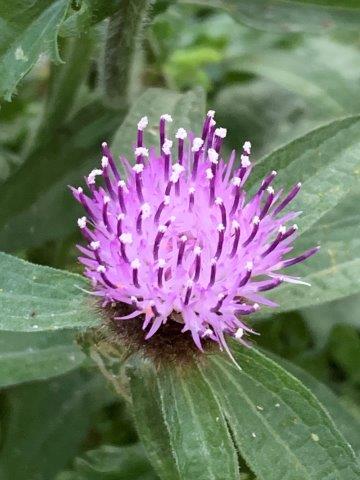
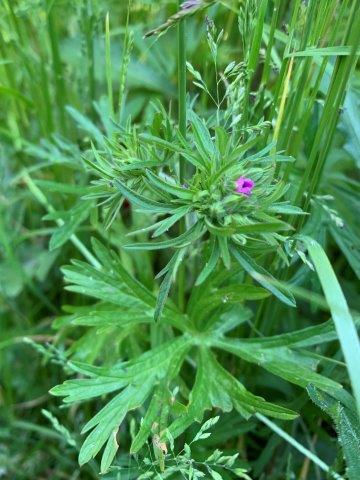
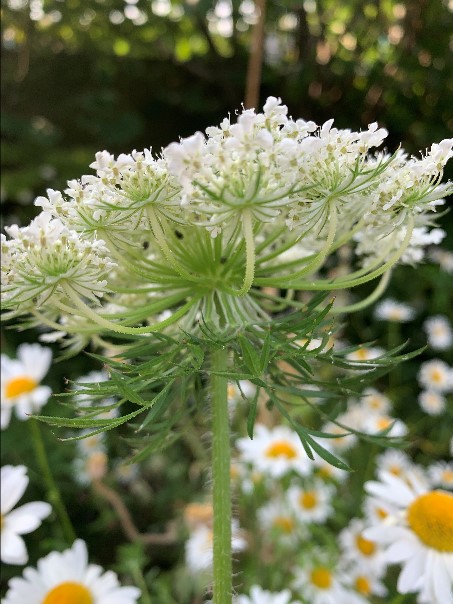
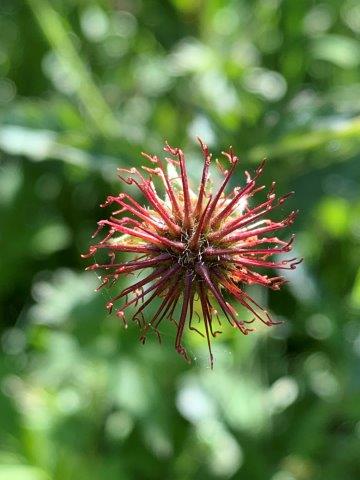
The three species of flower highlighted in bold above were all added officiailly to the Garden species list this month as they flowered – 4th June for Geranium dissectum, 15th for Centaura nigra and 17th for Daucus carota. And these were not the only plants to be added to the species list. A bit unexpectedly we recorded a new grass, Crested Dog’s-tail on the 4th June (Cynosurus cristatus).
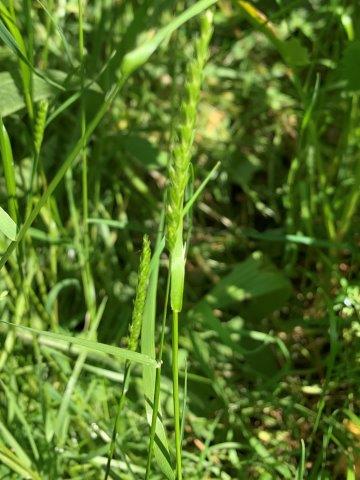
And with all these flowers and grasses growing like mad its no wonder that we recorded good numbers of inverts using them this year. Including aphids and we are glad to say a few ladybirds which we havent seen many of since 2021.
We also had our share of new invert species to add to the Garden list as well:
Of which we have to start with the two new bee species. The Patchwork Leafcutter Bee (Megachile centuncularis) first noted on the 9th June and the Common Yellow Face Bee (Hylaeus communis) foraging on Wild Carrot on the 27th.
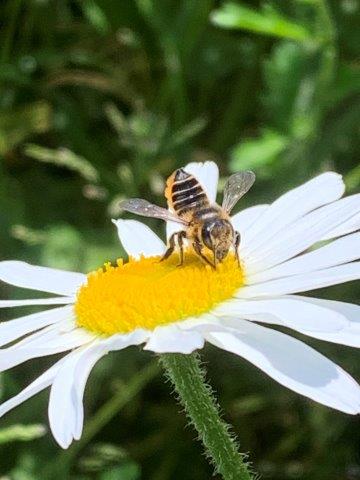
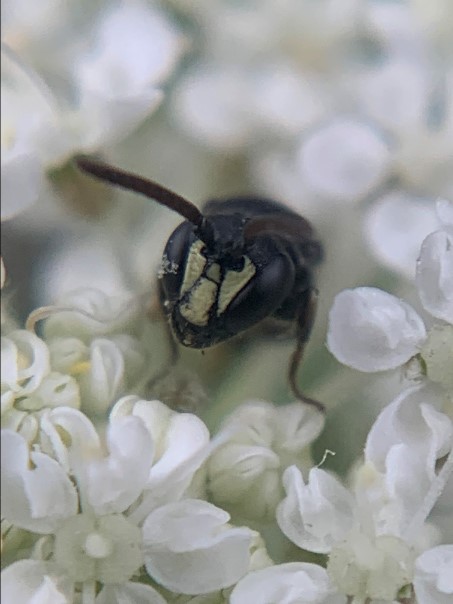
We liked Mr Yellow Face so much we put together a youtube short showing the little fella as he explored the umbel we found him in.
Then there were the rest. Starting with the vilified Varied Carpet Beetle – Anthrenus verbasci, first recorded on 4th June but seen frequently since. Despised by many for the damage it can do, particularly the larva, to carpets and other household materials.

Next Heterogaster urticae otherwise known as the Nettle Ground Bug, nettles being the foodplant of the larva. Apparently mating can last several days in this species.

Now the first of two new diptera added to the list. Botanophila fugax, although we are in truth not entirely sure about this ID. The larva live in the stems of certain plant species.
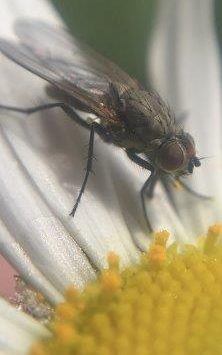
Then we came across this not so attractive fella. Myopa testacea or the Plain-winged Spring Beegrabber, recorded once on the 12th June. It belongs in the family Conopidae and is not the first Conopidae recorded in the garden, see our entry for Sicus ferrugineus – Thick Headed Fly. Both species parasitise bees.
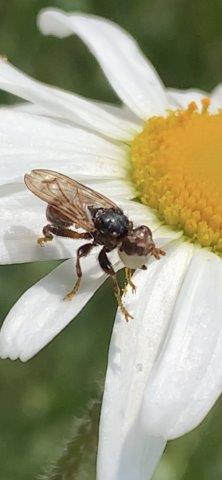
Then on the 22nd June we came across this guy for the first time, a Rough-Haired Lagria beetle – Lagria hirta. The adults are pollen feeders, whilst the larva live in the leaf litter.
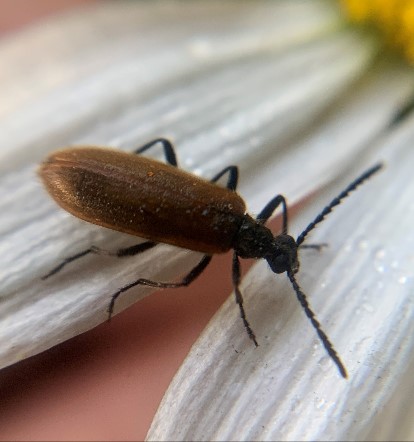
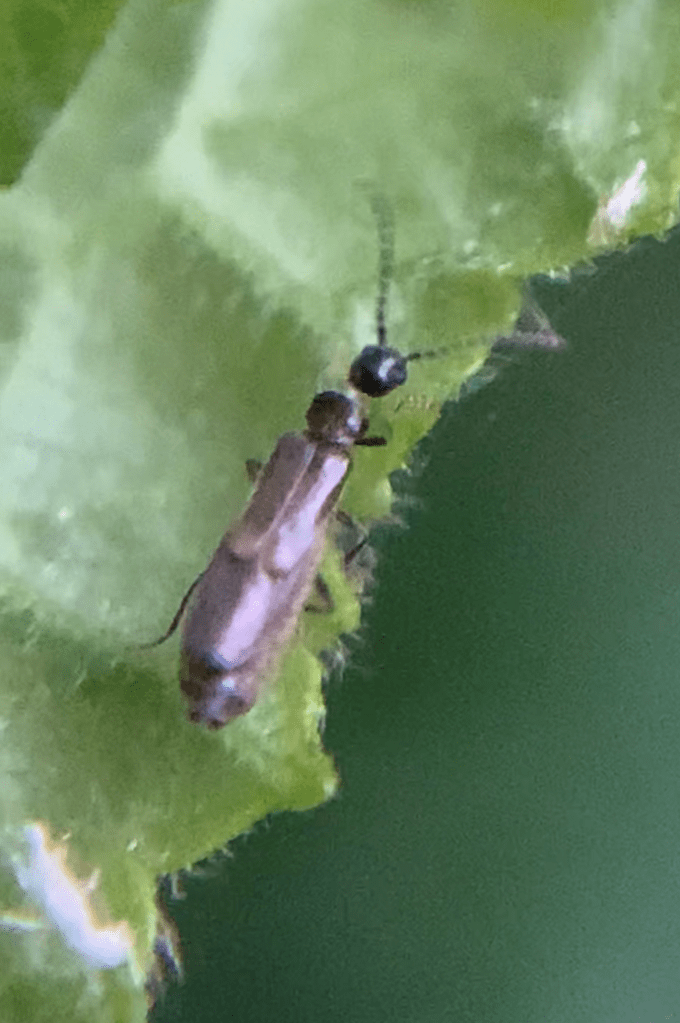
On the 28th we recorded our second ever Cantharidae species, or Soldier Beetle. This one belonging to (we think) the genus Malthodes, but we cannot be sure of the species. The image isn’t great as these guys are very small.
We are starting to think the meadow area may if anything have been a bit too succesful as it left us nowhere to site and observe. We may need to reconsider things a little for 2024, provide a more open spot for a couple of chairs at least.
DC: 02/07/2023
 Wildlife Garden