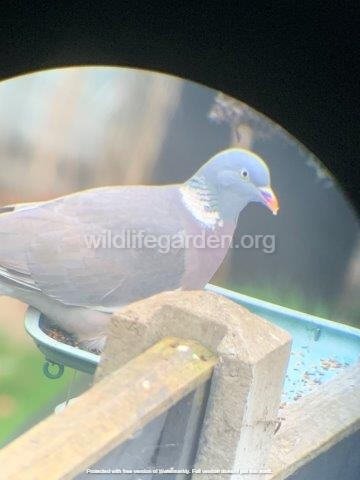
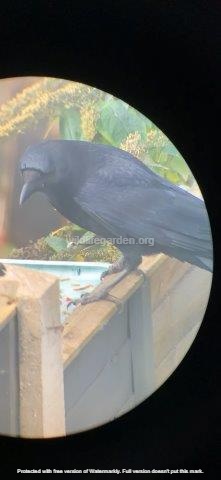
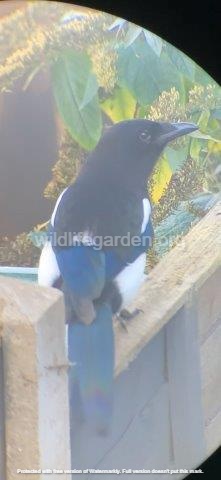
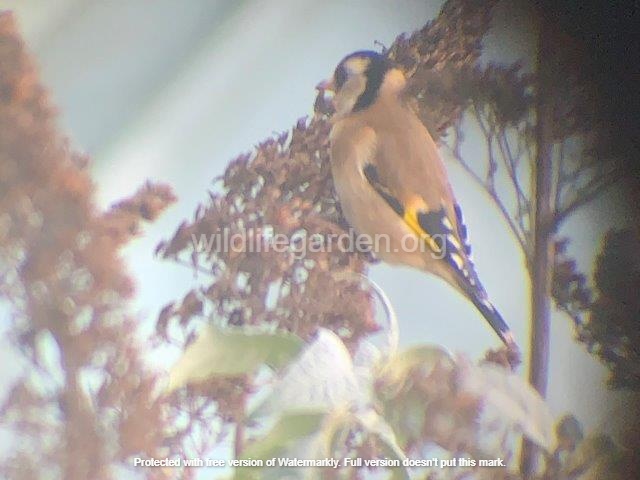
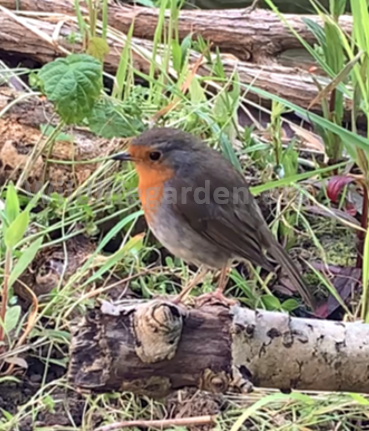
According to various websites, the most common birds recorded in UK gardens are House Sparrow, Starling, Blue Tit, Woodpigeon, Blackbird, Goldfinch, Great Tit, Robin, Long-tailed Tit and Magpie. Give or take we would support this view, with perhaps Wren and Carrion Crow coming in as more frequent than Long-tailed Tit.
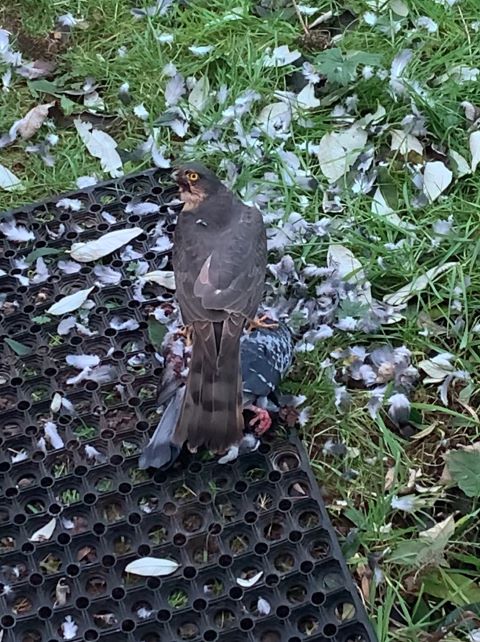
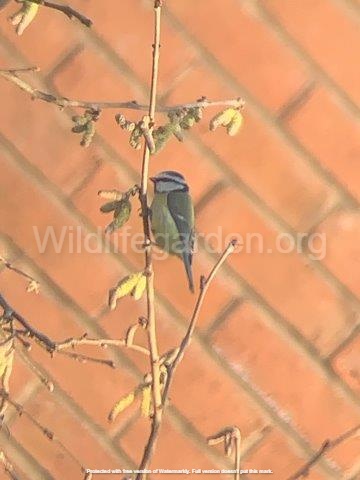
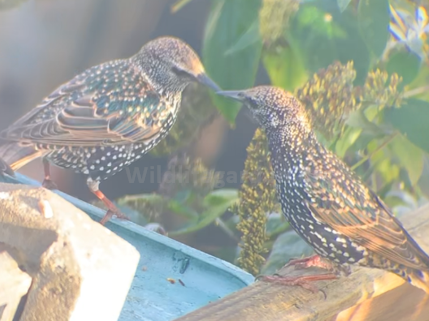
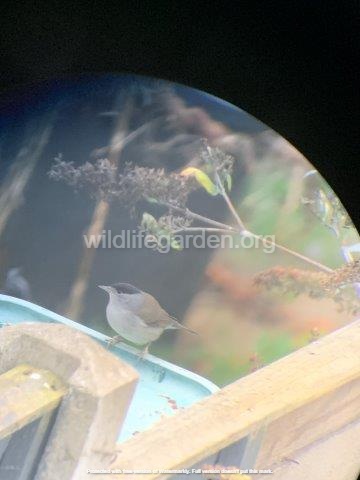
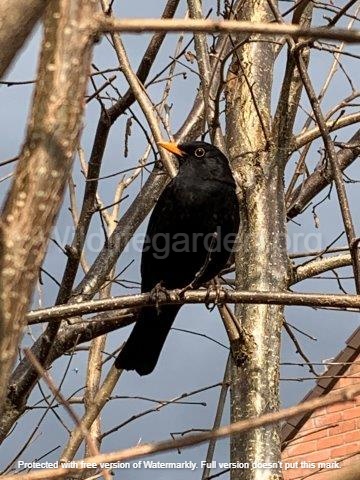
Birds are the most numerous chordates recorded in the garden, on account of their obvious mobility, often attractive apperance and the publics efforts to actively attract them. The species below are unlikely to be the only ones that visit the Garden, but are those we have recorded to date. As you can see it is not always possible to get a photograph of one as they are generally very shy.
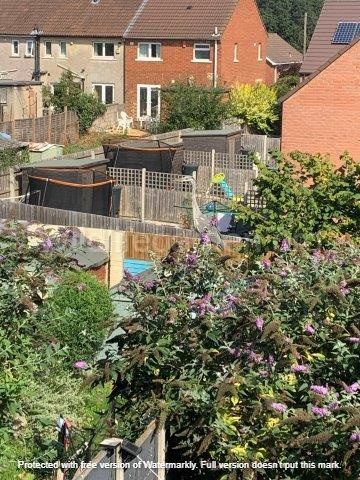
Attracting Birds to the Garden
Unlike some of our nearby neighbours, we don’t actually encourage birds to the Garden. In that we don’t put out bird food or provide specific nesting opportunities such as nest boxes. We totally support those that do so, but for us attracting birds has no higher priority than any other species. We are also concerned that birds, being near the top of the food chain, would reduce the overall abundance and perhaps diversity of invertebrate populations, especially if their levels are artificially elevated and further still if they attempt to raise chicks within the garden. We cannot find any specific research to support this view/concern but for now we have plenty of other things we can be doing for wildlife in general.
However, feeding birds is a common activity and people get considerable enjoyment from doing so and this benefit alone makes the endevour worthwhile. Yet there are some risks birds can be subjected to from this activity:
- Spreading of diseases and parasites at bird feeding stations, through droppings, regurgitated food and rotten food. It is vital that bird feeders, bird baths and nest boxes, in fact anywhere birds are encouraged to congregate, should be regularly cleaned. Obviously only clean nest boxes outside the nesting season, ideally do so in the autumn, ready for next springs visitors.
- Use the correct food. This should be easy. Most pet stores sale a range of bird friendly food approved by trusted organisations such as the BTO or RSPB. If you decided to use food stuffs from other sources, kitchen leftovers for example, then search the internet first as many respectable sites provide advice on this topic. Avoiding salt and greasy food stuffs for example.
- As a general rule we would urge people not to use pesticides / herbicides. If you feel you must then try to limit these as much as possible. Certain chemicals can accumulate (bioaccumulate) up the food chain and have negative impacts on those creatures like birds and small mammals at the top of the food chain. This includes common applications such as chemicals containing glyphosate and other pesticides such as those found in slug pellets. We would recommend avoiding them all and trying some of the more organic solutions suggested online.
- Mechanical garden maintenance. For example tree/shrub felling or hedge trimming. Avoid doing so during the nesting season, March to September inclusive. If you like your garden hedge neatly trimmed then a thorough search for nests is a good idea. If you find one, please keep your distance and perhaps live with an untidy hedge until you are sure the nest has been finished with and all chicks have fledged.
- Cats, whether you like them or not, are a reality wherever humans live in any significant numbers. And cats like to hunt. If you are a cat owner then perhaps try putting a bell on its collar. One artical we have read suggests feeding cats at dawn and dusk, thus limiting their time outdoos during those periods when birds are usually most active, perhaps lock them in during these times if possible. We find dense foliage, shrubs and pokey compost, including cut brambles, deters cats from certain areas which you may have set aside for birds, mammals or amphibians, e.g. around pond edges, bird feeders and log piles. Remember though that cats are not guilty of being anything other than cats. If you own a cat and it takes a bird then ultimately this is your responsibility, so please try some of the ideas suggested above if you think it will help protect wildlife from your favourite pet.
If you do want to attract birds to the garden, then the following advice is given in the useful New Naturalist book ‘Garden Natural History’ *.
Places feeders in quiet locations, sheltered from both constant sunlight and cold winds, where they can be seen, easily filled and as stated above cleaned but where they won’t be disturbed by footfall very often. The site should have good all round views to ensure cats cannot sneak upon them whilst feeding and ideally near dense shrubs/foliage in which birds can seek safe refuge.
Also try maintaining different sorts of feeders. Some bird species like to perch on feeders containing a column of seed in a clear tube, others cling to mesh feeders containing nuts. Still other species are ground feeders. The Garden Natural History goes on to explain that feeding during the breeding season may not be advisable and as stipulated above, seek advice when attempting to feed birds food from the kitchen.
*Buczacki, S. (2007) Garden Natural History. New Naturalis
 Wildlife Garden