Vespula vulgaris
In August 2022 we sat at the newly made boggy area in the Garden and filmed wasp after wasp arriving to take water onboard. Wasps need to stay hydrated like all invertebrates and therefore are often found drinking at puddles and pools. They also take water back to the nest for others in the colony to keep cool and hydrated.
During nest building periods, a process initiated by the Queen but later taken over by workers, it is critical that wasps remain hydrated as the pulp used to make the nest is a combination of wood fibers and the wasps’ own saliva.
This of course means the wasps don’t just need water but a supply of wood fibres also. We filmed the wasp below collecting wood fibres from some deadwood in the Garden. Deadwood is another vital resource for many species and keeping the odd bit lying around can not only make the garden look more natural and attractive but also provide this valuable resource.
You can just about see the wasp with a mouthfull of pulp before it flies off (about 15 seconds into the video).
Sadly, collecting water can be a dangerous ativity as the occasional drowned wasp we come across likely demonstrates.
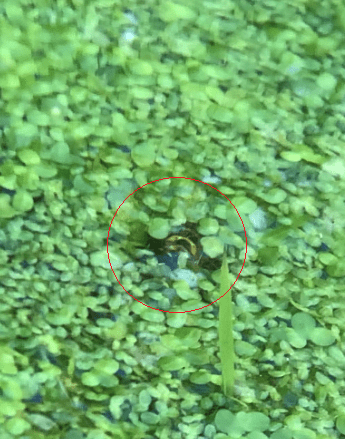
It does seem likely that our summers are now going to be warmer, dryer with more periods of drought. So despite all the rain the UK has seen since October 2023, it is vital over the coming spring and summer months to try and leave out safe sources of water for invertebrates to drink from. A ten second hose spraying across the foliage of the garden is a good way to instantly provide a dispersed source of water for the small creatures lingering under leaves or whatever shade can be found.
Keeping areas of grass and other vegetation long and quickly spraying the ground beneath will allow wet areas of soil to remain damp for longer periods. Indeed keeping long grass (meadow) areas is an ideal way of retaining mositure in soils.
Little pots half filled with stones to land on and half filled with water for them to drink is another useful way to provide for more mobile species. Just remember to keep replenishing the water supply. TIP: Don’t use thin plastic pots as these can easily bleach and crumble, starting to fragment into micro-plastics which are practically impossible to remove from the soil.
DC: 29/03/2024
 Wildlife Garden